







How to Cut Stainless Steel with Laser Technology Effectively
Stainless steel laser cutting offers high precision, productivity, and repeatability for both thin sheets and thick plates. However, stainless steel has high strength, a reflective surface, and strong heat retention. Clean cutting therefore depends on the right machine, assist gas, parameters, and maintenance.
1.Choose the Right Laser Cutting Machine
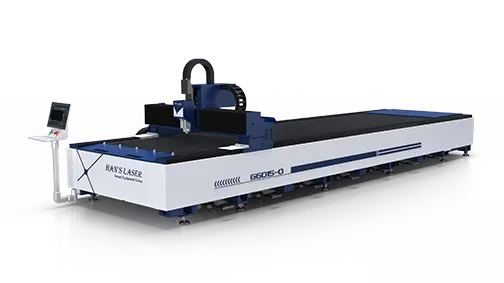
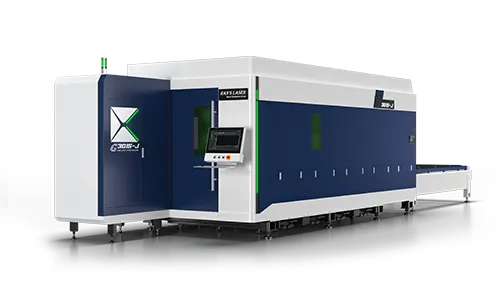
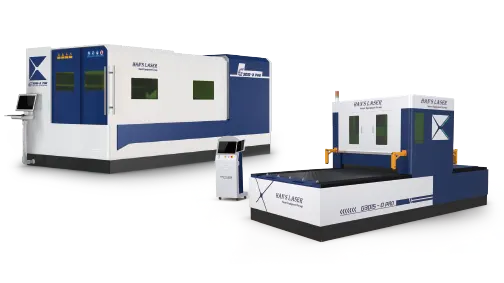
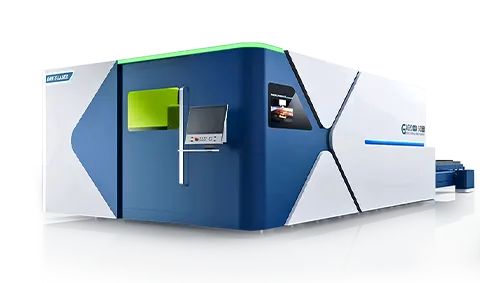
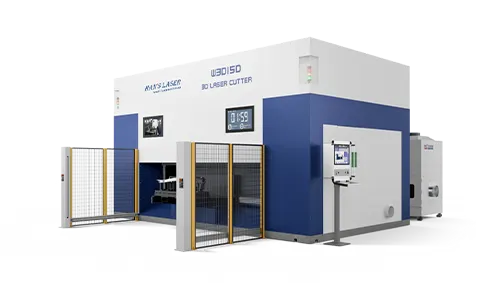
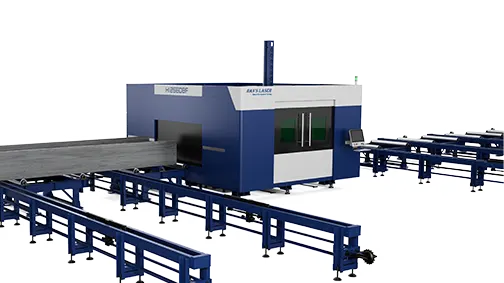
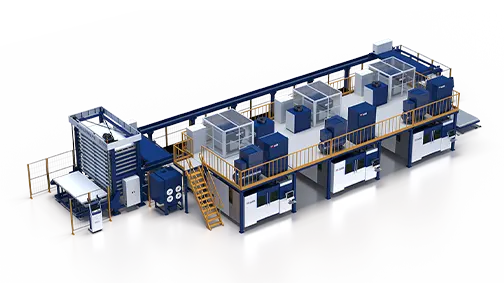
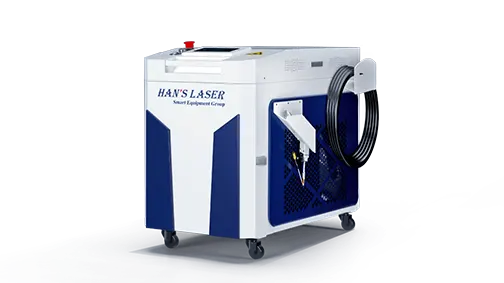
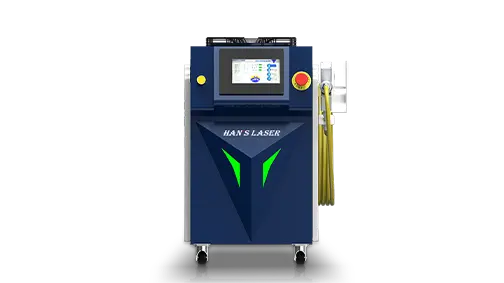
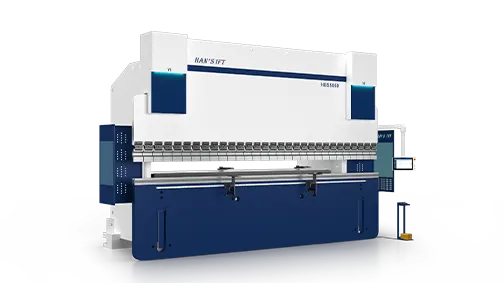
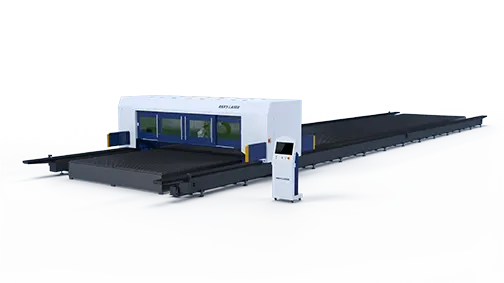
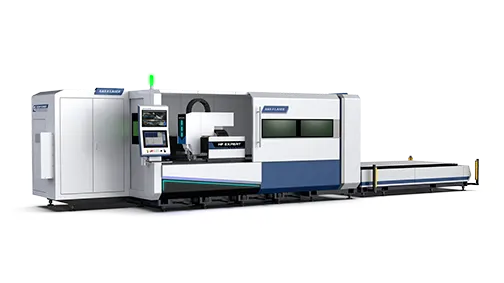
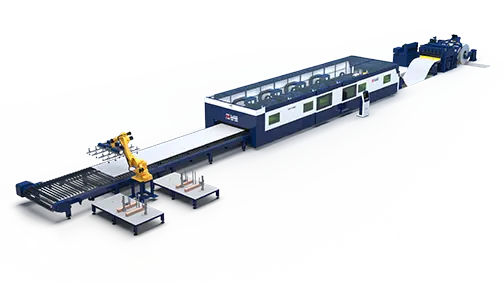
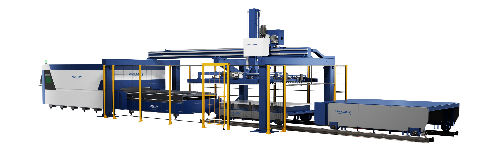
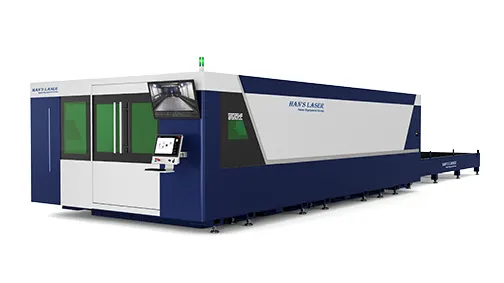
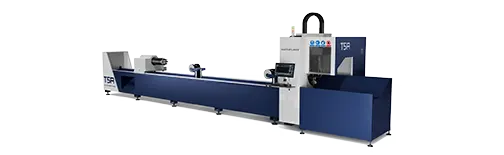
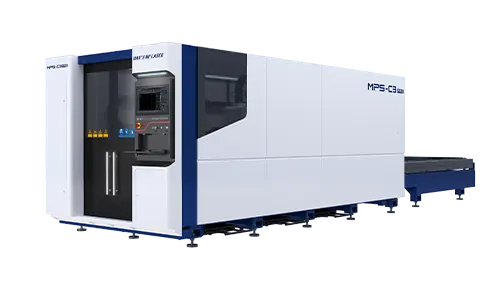
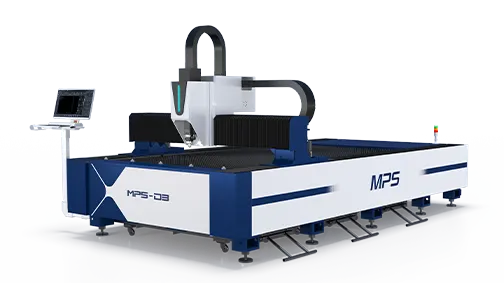
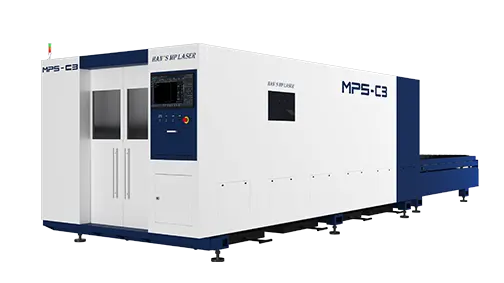
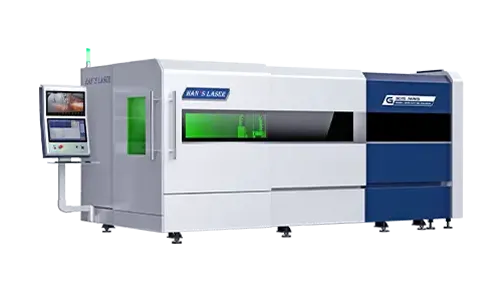
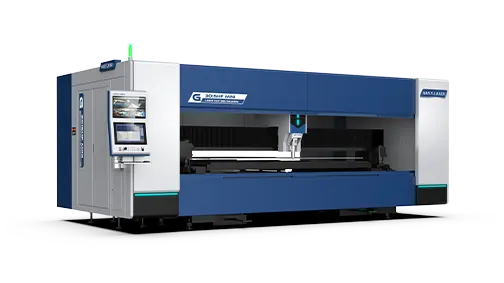
Choosing the right machine is the first step. Han’s Laser stainless steel laser cutting machines are designed for demanding applications that require stable operation, precise motion control, and consistent cutting quality.
When selecting a machine, consider:
•Stainless-steel grade, such as 304 or 316
•Material thickness and maximum plate size
•Required speed and production volume
•Laser power and beam quality
•Machine rigidity and positioning accuracy
•Autofocus and height-sensing functions
•Assist-gas pressure and flow capacity
•Nesting, piercing, and cutting-path software
•Technical support and maintenance service
For thick stainless-steel plates, power alone is not enough. A rigid machine frame, stable high-pressure gas delivery, reliable piercing, accurate height control, and effective heat management are also essential. These features help reduce incomplete penetration, dross, deformation, and downtime.
A representative test cut using the customer’s actual grade, thickness, part geometry, and tolerance is the best way to evaluate a machine.
2.Adjust the Cutting Parameters
Laser Power and Cutting Speed
Power and speed must match the stainless-steel grade and thickness. Insufficient power or excessive speed may cause incomplete penetration and heavy dross. Excessive power or very slow speed can increase heat input, widen the kerf, and cause discoloration or distortion.
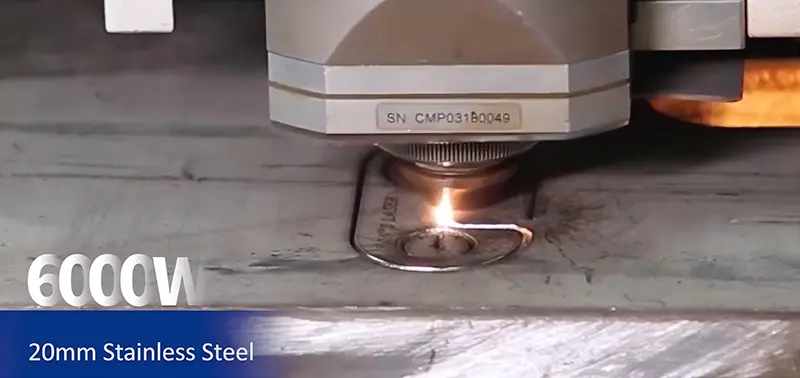
Thick-plate cutting normally requires higher laser power, slower speed, higher assist-gas pressure, and carefully controlled piercing. Operators should begin with the manufacturer’s recommended parameters and confirm them with a test coupon.
Assist Gas and Pressure
Assist gas removes molten metal from the kerf and directly affects edge quality.
•Nitrogenis commonly used for a bright, clean, oxide-free edge, especially before welding, polishing, or painting.
•Oxygenmay suit selected applications, but it creates oxidation and changes edge appearance.
•Compressed aircan work for some less appearance-critical applications after testing.
Thick plates generally require greater gas flow and higher pressure than thin sheets. Check gas purity, pressure stability, hoses, connections, and leaks. High pressure cannot compensate for a restricted gas line or undersized regulator.
Nozzle and Focus Position
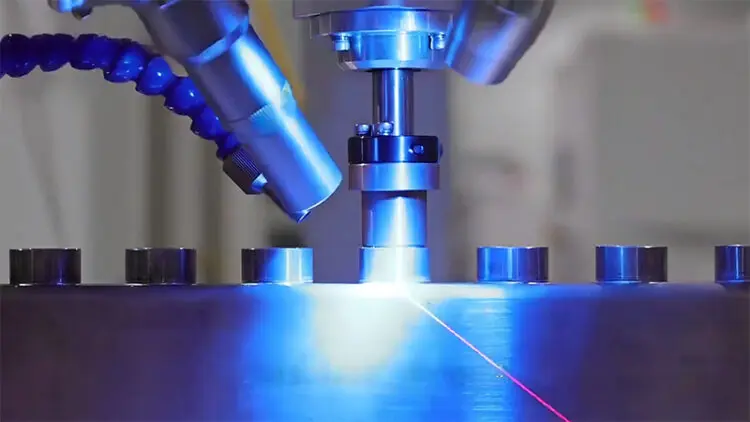
The nozzle must match the material thickness, gas strategy, and cutting head. A blocked, damaged, or off-center nozzle can cause uneven gas flow and excessive burrs.
Focus position affects penetration and edge quality. For thicker material, the focus is often set lower in the plate, but the correct position depends on the complete process. Use validated machine parameters rather than one focus setting for every thickness.
Piercing
Piercing is especially important for thick stainless steel. An unstable pierce can damage the nozzle or protective window and create defects at the start of the cut.
Adjust pierce power, time, height, gas pressure, and lead-in distance as required. Thick plates often benefit from controlled or multi-stage piercing instead of immediately applying full cutting conditions.
3.Optimize the Cutting Path
Efficient path planning improves productivity and controls heat accumulation.
•Use nesting to improve material utilization.
•Minimize rapid travel and repeated cuts.
•Select a suitable sequence for internal features and outer contours.
•Distribute cuts across the sheet to avoid local overheating.
•Use suitable lead-ins, lead-outs, or micro-joints when necessary.
•Support and secure the sheet to prevent movement or deformation.
These measures are particularly important for large or thick plates, where heat can affect dimensional accuracy.
4.Check the Machine Before Cutting
Before production:
✔ Confirm that the beam is centered through the nozzle.
✔ Inspect the protective window for contamination or damage.
✔ Check nozzle type, diameter, cleanliness, and alignment.
✔ Verify height sensing and stand-off distance.
✔ Confirm gas purity, pressure, flow, and connections.
✔ Ensure the sheet is flat, clean, and properly supported.
✔ Remove excessive dross from the cutting table.
Regular inspection of the protective window, nozzle, gas lines, and cutting head is essential for stable performance.
5.Test and Inspect the Cut
Run a test cut before processing a new grade, thickness, or material batch. Inspect:
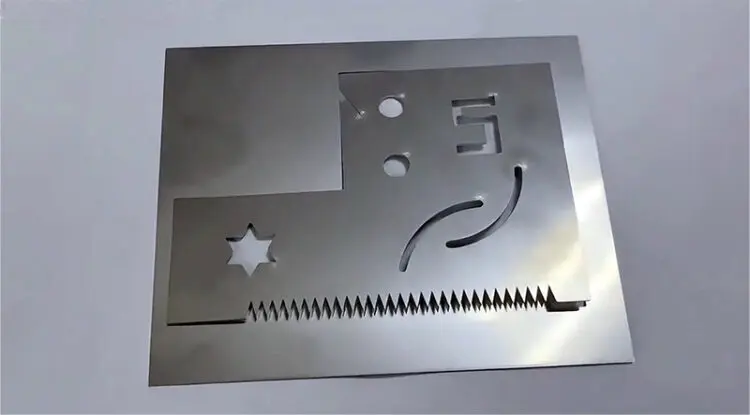
•Complete penetration
•Bottom-edge burrs and dross
• Edge roughness and striation
•Oxidation or discoloration
•Kerf width and taper
•Heat-affected area
•Small holes and sharp corners
•Dimensional accuracy
If the result is poor, adjust one parameter at a time. Heavy bottom dross may be caused by speed, power, gas pressure, focus, nozzle condition, or sheet support—not speed alone.
Safety and Maintenance
Laser cutting involves intense light, heat, molten metal, fumes, moving equipment, and pressurized gas. Follow the machine manufacturer’s safety procedures and local regulations.
Use the correct enclosure, interlocks, protective equipment, and fume extraction. Never bypass safety devices. Inspect the cutting head, protective window, nozzle, filters, gas lines, and table regularly. A sudden change in cut quality may indicate optical contamination, nozzle damage, unstable gas delivery, or mechanical wear.
Conclusion
Effective stainless-steel laser cutting depends on more than laser power. Manufacturers must select a stable machine, match parameters to the material, use suitable assist gas, control focus and piercing, optimize the cutting path, and maintain the optical and gas systems.
For thin sheets and thick plates alike, a representative test cut is the best way to confirm speed, edge quality, accuracy, and production suitability. Han’s Laser can support this evaluation by matching the machine configuration and process recommendations to the customer’s actual application.
Frequently Asked Questions
Can a fiber laser cut stainless steel?
Yes. Fiber lasers are widely used for stainless-steel sheet and plate. Cutting thickness and speed depend on laser power, beam quality, assist gas, cutting-head design, material grade, and edge-quality requirements.
Which gas is best?
Nitrogen is generally preferred for a bright, oxide-free edge. Oxygen or compressed air may be suitable for specific applications after testing.
Why are there burrs after cutting?
Burrs may result from an incorrect balance of speed, power, focus, gas pressure, nozzle condition, stand-off distance, or material support. Thick plates require especially careful control of gas and piercing settings.
How can discoloration be reduced?
Use suitable high-purity nitrogen, check for leaks, maintain correct flow and pressure, and control heat input. Surface contamination can also affect edge color.


 Previous


 LET’S TALK


